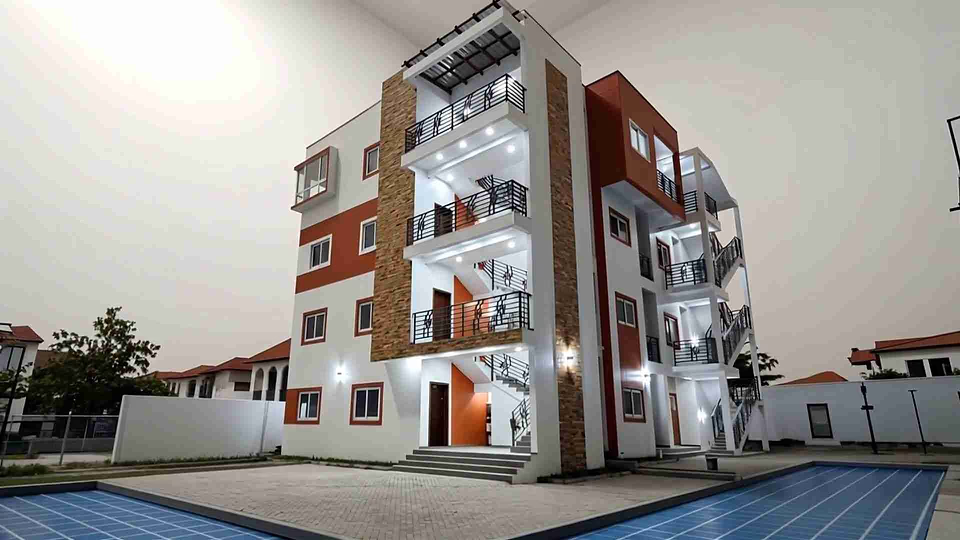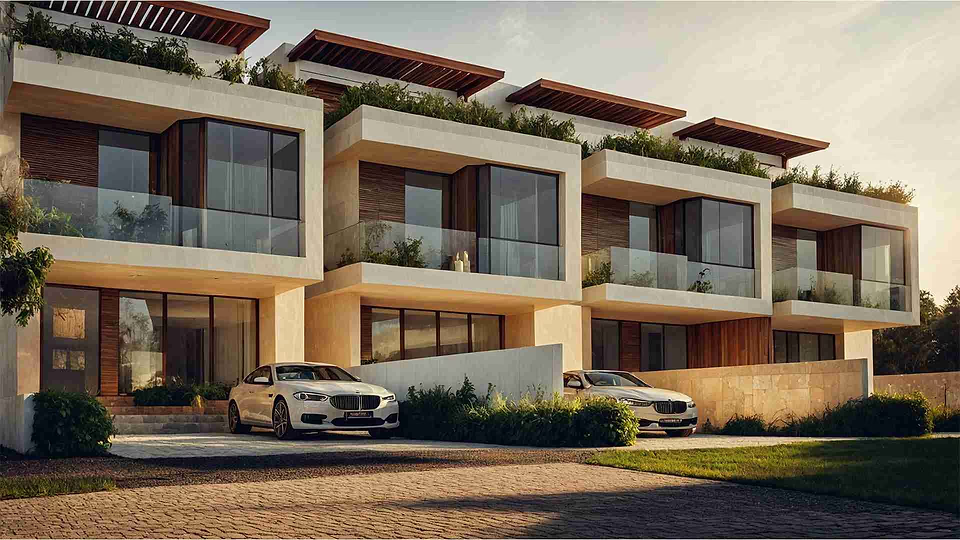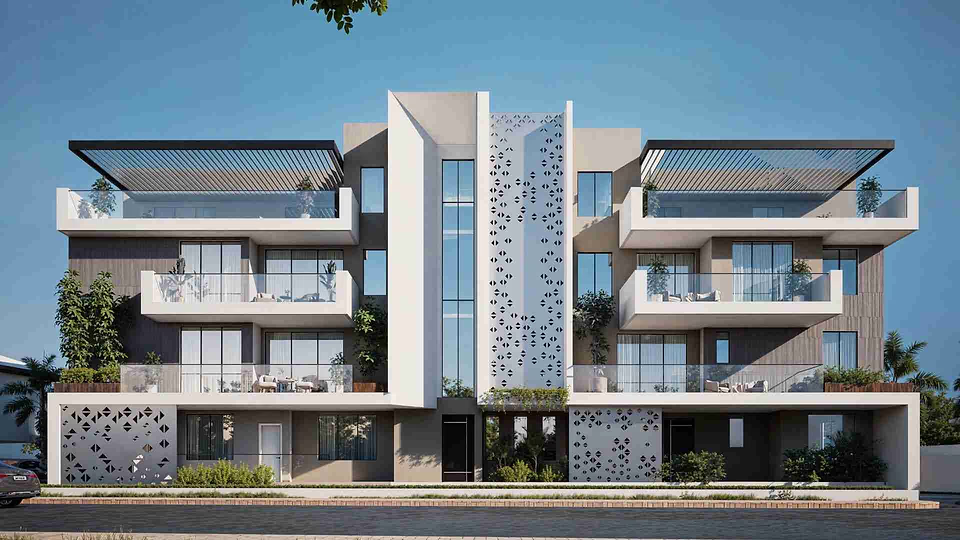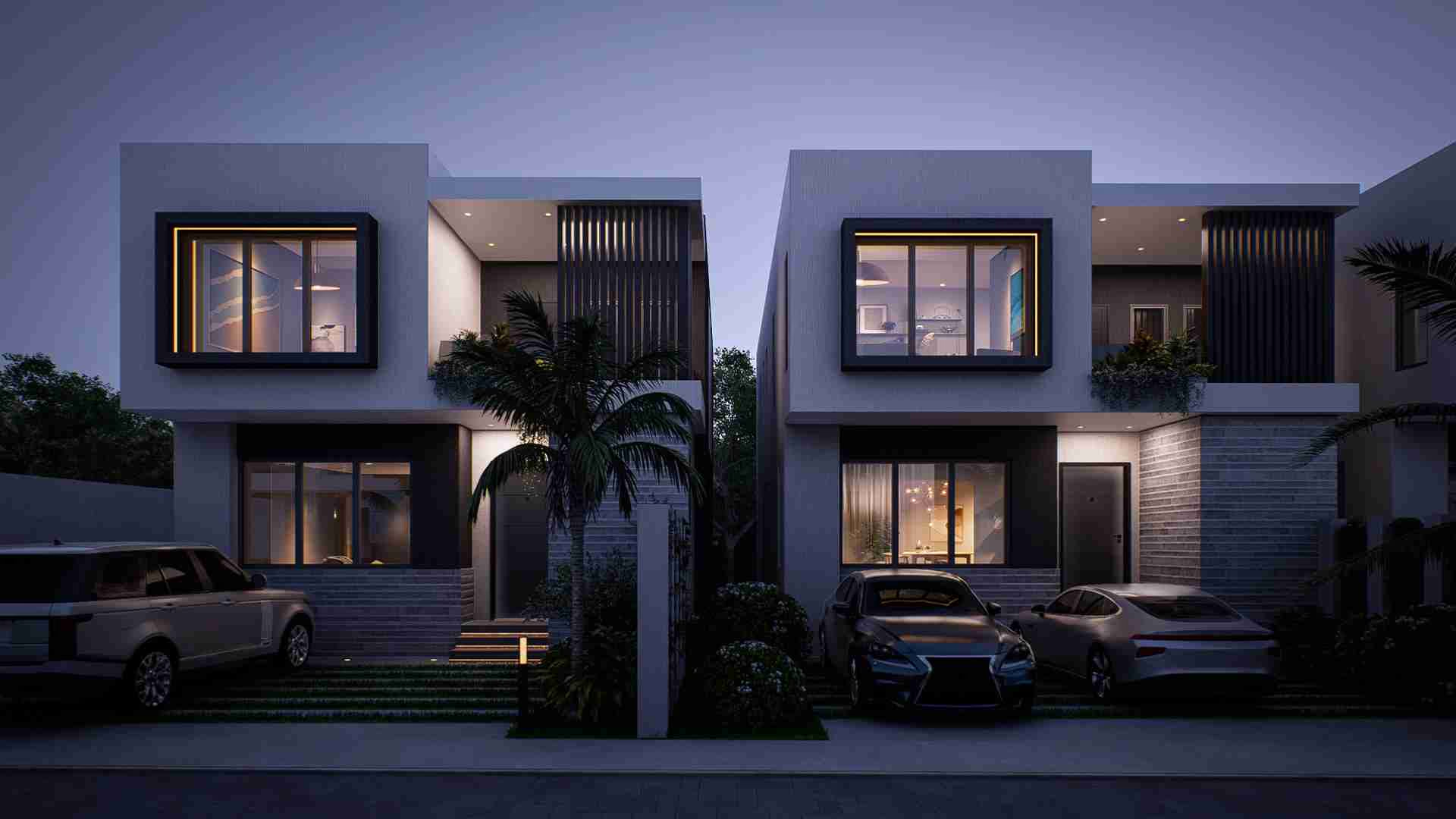
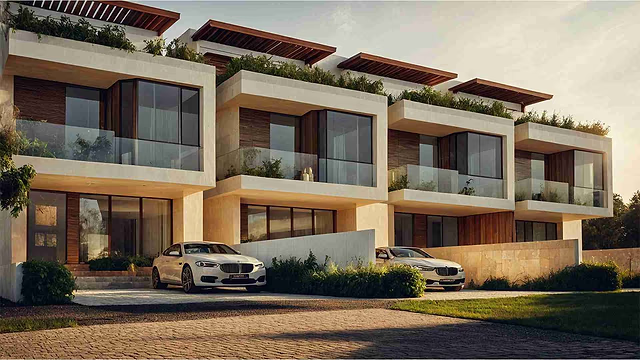




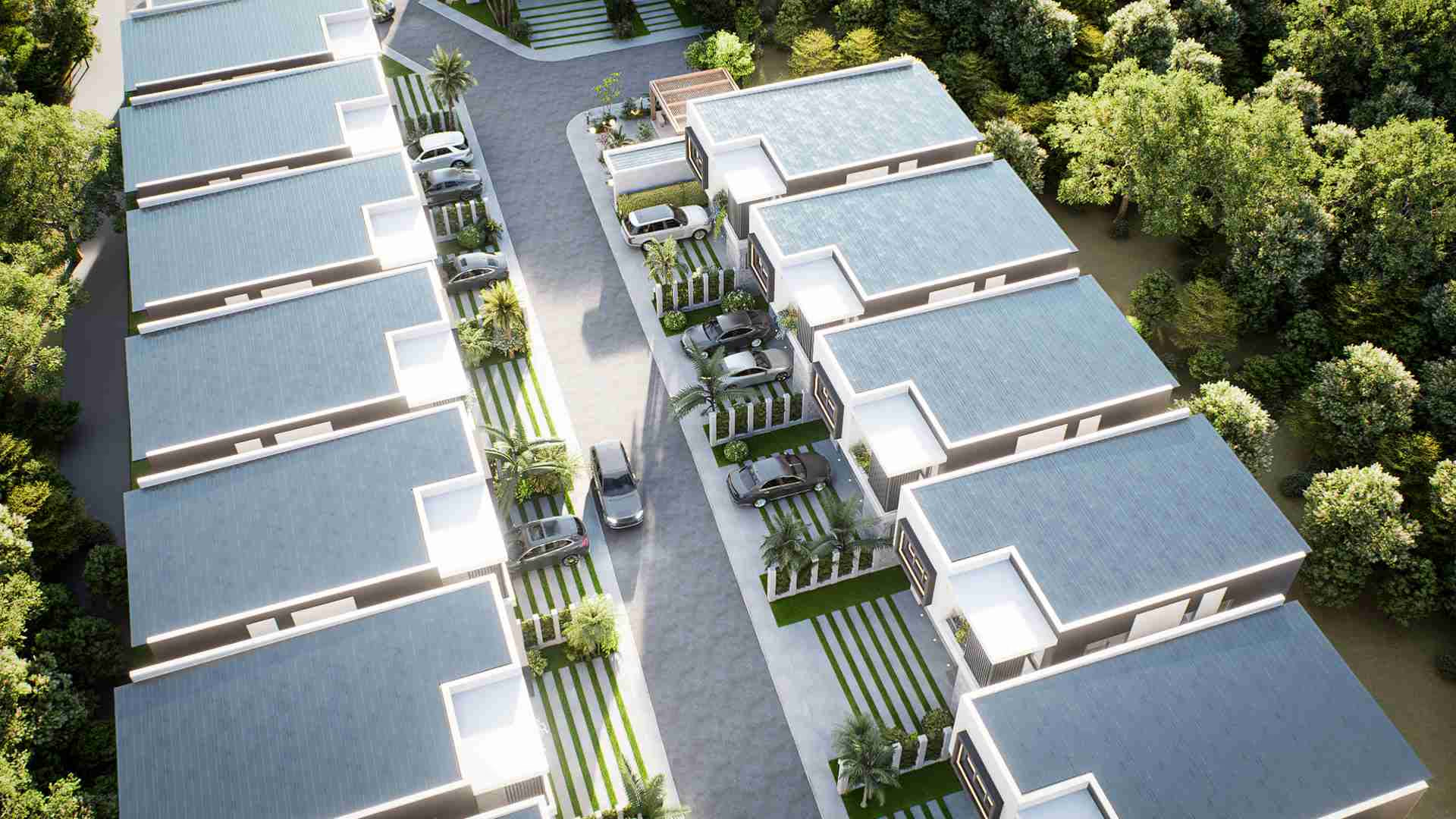
How Ghana’s gated communities grew from 1990s luxury enclaves into mainstream homes, and the security, amenities and value that keep buyers choosing them.
Over the past few decades in Ghana, gated communities have gone from rare luxury enclaves to some of the most sought-after places to live and invest. But this growth didn’t happen by accident. It reflects deeper changes in how people want to live, what they expect from their homes, and how they think about security and community. In this post, we’ll explore how gated communities rose in Ghana and why so many people are now choosing them.
A Brief History: From Exclusive to Mainstream
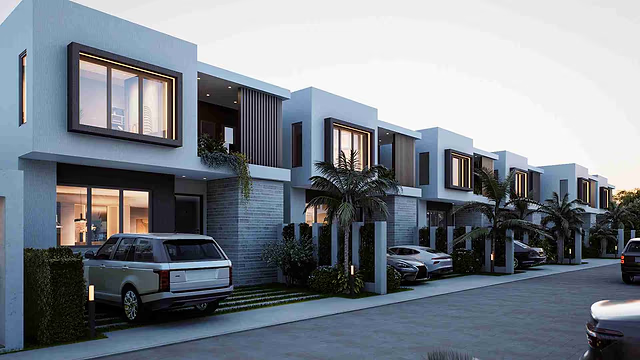
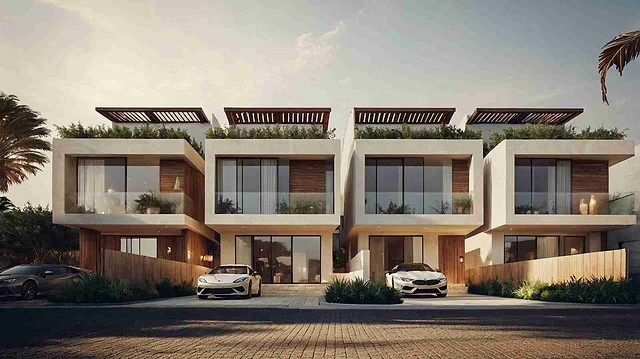
Gated communities in Ghana began to emerge in the mid-1990s, as the country liberalised markets and urban populations grew. They started as exclusive, high-end developments for a wealthier few. Over time, though, developers began to expand the concept, offering more mid-range options, more amenities, and more accessible entry points.
Today, gated communities are no longer just for elites. They’re a standard in many urban and peri-urban developments, particularly in Accra and its surroundings, supported by demand from locals and the diaspora alike.
Why Gated Communities Are in Demand
Here are the key reasons driving the popularity of gated communities in Ghana today.
1. Enhanced Security and Peace of Mind
One of the most cited advantages is security. Gated communities usually feature:
- Perimeter walls
- Controlled entry gates with guards
- CCTV surveillance systems
- Patrols within the estate
These measures reduce the risk of burglary, trespassing, and unwanted intruders.
For many Ghanaians, especially those living abroad, having a trusted, secure property back home is a powerful draw.
2. Privacy and a Controlled Environment
Gated communities give residents more control over their immediate environment:
- Less noise and fewer external disturbances
- Rules about traffic, noise, and visitor access
- Neighbours who share expectations about living standards
As many households shift towards smaller “nuclear family” models, privacy becomes more valuable.
3. Amenities and Lifestyle Features
Today’s gated estates don’t stop at walls and security. To appeal to modern buyers, they often include:
- Landscaped gardens and parks
- Swimming pools, gyms, and courts
- Recreational areas and walking paths
- Infrastructure like good roads, drainage, and reliable utilities
These amenities create a self-contained living experience, where many daily needs are just a few steps away.
4. Reduced Risk of Land Disputes and Encroachment
Land disputes, multiple sales of the same plot, and boundary issues are real challenges in Ghana’s real estate sector.
Buying a plot or home within a well-managed gated community reduces these risks, because:
- Developers often handle due diligence and title verification
- The community structure helps guard against encroachment
- Management systems monitor common areas and boundary integrity
5. Better Maintenance and Sanitation
Gated communities often have estate management teams responsible for:
- Upkeep of roads, landscaping, and public spaces
- Waste collection, drainage, and cleaning
- Enforcing rules to maintain aesthetics and order
This helps avoid many of the issues seen in open, less-regulated neighbourhoods (like littering, neglected roads, and overgrowth).
6. Appreciation and Investment Appeal
Properties in gated communities often appreciate faster than those in non-gated areas, because:
- The demand for secure, amenity-rich housing is higher
- There’s a perception of prestige and exclusivity
- They’re easier to resell and rent out
You can also leverage this demand with off-plan sales, phased development, and integrated management to ensure value over time.
7. Alignment with Contemporary Market Trends
Gated communities also fit where the wider market is heading:
- Buyers increasingly demand mixed-use and integrated developments (gated homes plus retail and offices)
- Sustainability and green features (solar, green space) are becoming differentiators
Challenges and Considerations
While gated communities are in demand, there are challenges:
- Higher cost: the security, amenities, and management add to the price and maintenance fees
- Quality variance: not all gated communities are well managed or well built
- Access and infrastructure: some gated estates lie on the fringes and suffer from poor roads or utilities
- Community rules: residents must abide by regulations, which may feel restrictive to some
What This Means for Buyers and Investors
- If you want a secure, high-quality living space with ongoing support, a gated community is a strong bet.
- For diaspora buyers, it offers a safety net: someone is overseeing your property even when you’re far away.
- Look for gated estates with transparent governance, quality amenities, and good developer credibility.
- Don’t just buy walls: check the service agreements, management, and long-term maintenance.
- Weigh location against prestige. A well-managed gated community slightly further out may outperform a poorly run one in a prime area.